Global Sports and the Return of Russia: How European Nations Respond to Federation Rulings
Despite international sports court rulings permitting Russian athletes to compete, several European countries are implementing independent travel and entry restrictions.
 🏛️Politics
Photo: Ukrainska Pravda
Key points
- The Court of Arbitration for Sport ruled in favor of the Russian Ice Hockey Federation in October 2026.
- Finland, Canada, and Norway have introduced entry bans for Russian athletes regardless of neutral status.
- European nations are discussing a unified EU approach to handle neutral sports delegations.
The international sports arena continues to navigate complex debates surrounding the gradual reintegration of Russian athletes. In late 2026, the Court of Arbitration for Sport ruled in favor of the Russian Ice Hockey Federation, following similar decisions by World Aquatics regarding Russian swimmers. These developments have drawn considerable concern from international communities that continue to support Ukraine amid ongoing military aggression.
National Restrictions Replacing Federation Policies
As international sports bodies roll back restrictions, individual national governments have utilized their border controls and visa policies independently. Countries such as Canada, Norway, and Finland have introduced broad entry limitations targeting Russian athletes, including those competing under neutral banners. Finnish Minister for Foreign Affairs Elina Valtonen emphasized that these measures aim to prevent Russia from utilizing international sports as a platform for political propaganda.
Practical examples highlight the impact of such policies on sporting events. During the European Table Tennis Championships, host nation Slovenia denied entry visas to certain qualified Russian and Belarusian athletes despite continental federation approvals. Competitors who managed to enter via domestic league exemptions were required to perform under strict neutral designations, devoid of national flags, anthems, or uniforms.
Governance Challenges and Future Outlook
Observers have also raised critical questions regarding the governance and legal readiness of international sports federations when facing major disputes. Political figures in Sweden and elsewhere continue to advocate for a unified European Union approach to establish consistent neutrality standards across all member states hosting major sporting events.
Source Ukrainska Pravda — pravda.com.ua/columns/2026/11/18/8063459/ ↗
Read next
 👥Society
German Chancellor Friedrich Merz admits 2008 NATO refusal to Ukraine was a mistake
Friedrich Merz stated that the Alliance's failure to offer a Membership Action Plan to Ukraine in 2008 paved the way for the current conflict.
 💼Economy
Ukrainian farmers face bankruptcy risks amid logistical and financial pressures
Due to the blockade of export routes and rising production costs, the domestic agricultural sector is facing a critical depletion of resources.
 🇺🇦Ukraine
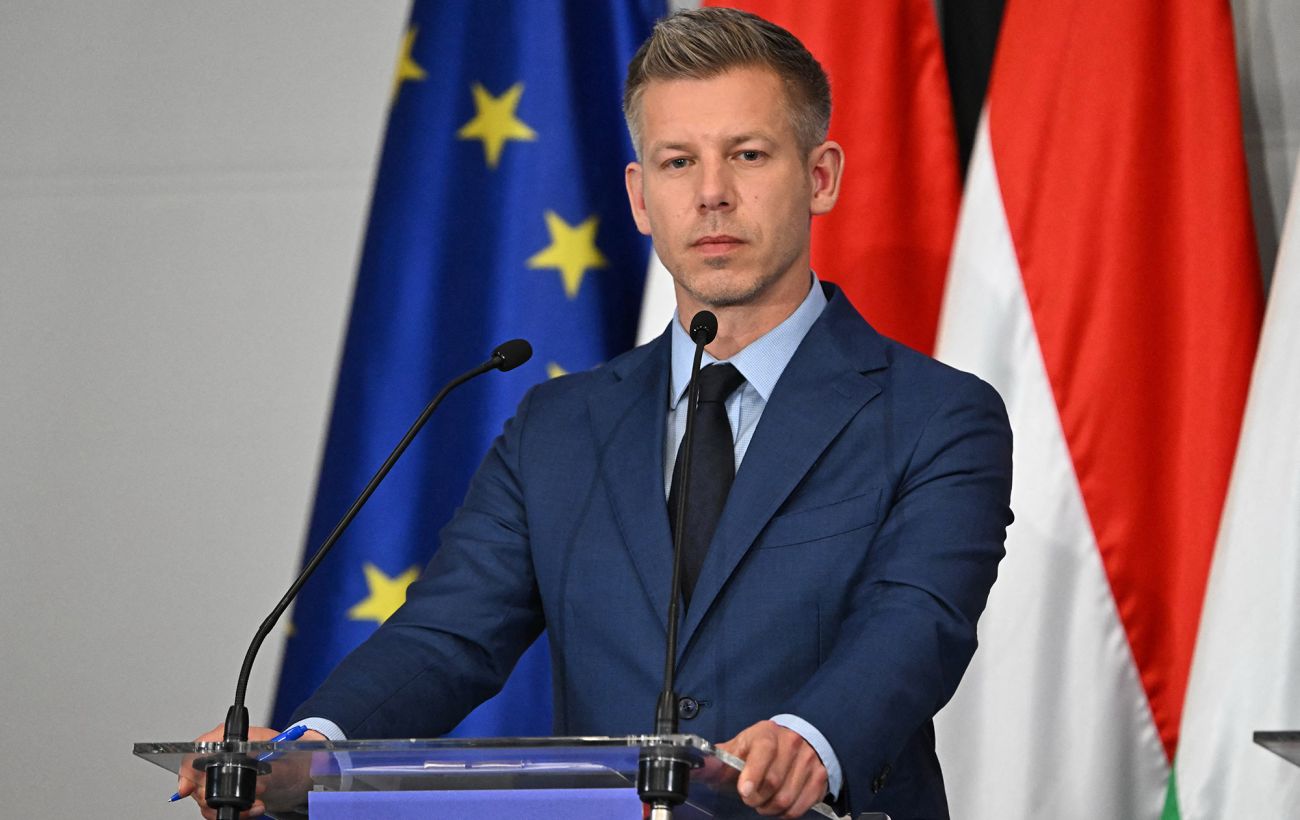
Hungarian Prime Minister Péter Magyar calls Russia an aggressor and announces visit to Zakarpattia
Hungarian PM Péter Magyar expressed solidarity with Ukraine and condemned Russian attacks, confirming his intention to visit the Zakarpattia region.
 🧠AI Analysis
ATP Finals review: Carlos Alcaraz dominates as young talents rise
Spanish tennis star Carlos Alcaraz completed the ATP Finals undefeated, showcasing his undeniable dominance in the men's circuit.
 👥Society
Autumn Pear Tree Care in Boryslav: Preparing Orchards for Winter
Residents of Boryslav's private sector are encouraged to focus on sanitary pruning this autumn, saving major crown shaping for the spring season.
 🇺🇦Ukraine
New Geography of Maritime Warfare: Incidents in Libya and the Gulf of Finland Expose Russian Logistical Vulnerabilities
An explosion on a Russian vessel in the Libyan port of Бенгази and a fire on a cargo ship in the Gulf of Finland highlight global risks for Russian maritime supply chains…