Strikes on Refineries Force Russia to Become a Fuel Importer
Systematic attacks on Russian oil refineries have triggered a fuel crisis, turning the country from an exporter into a major importer of gasoline.
 🛡️Security
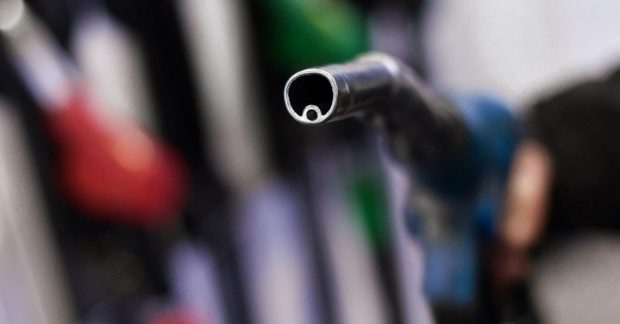
Photo: UNIAN
Key points
- Russia turns to gasoline imports due to refinery strikes
- Gasoline production down by 13-18%
- Imports identified as a long-term strategy for Russia
A Shift in Global Market Position
Russia, long a dominant player in the global oil market, is facing a severe fuel crisis. According to the Financial Times, Russia's seaborne gasoline imports reached 390,000 tons in October. This dramatic reversal highlights the country's vulnerability to strikes against its critical energy infrastructure.
Throughout this year, strikes on refineries have plunged Russia into its worst fuel crisis since the collapse of the Soviet Union. To stabilize the market, Moscow has implemented emergency measures, sourcing fuel from countries including Turkey, India, Egypt, and Morocco. Additionally, significant volumes are being supplied by neighboring Belarus, forcing Minsk to divert its exports.
Impact on Energy Security
- Russian gasoline production is estimated to be 13-18% lower than at the start of the year.
- Moscow is utilizing Baltic Sea ports to receive fuel shipments to avoid drone threats in the Black Sea.
- Analysts suggest that imports have become a long-term necessity to balance domestic demand.
«Ukraine has repeatedly struck some of the larger and more complex Russian refineries, which generally have a higher gasoline yield than simpler facilities,» notes Kpler analyst Sumit Ritolia.
Experts warn that the situation could deteriorate further if strikes continue at the current intensity. The loss of 1 million barrels per day in refining capacity at major facilities significantly impacts fuel availability. For the Russian economy, these disruptions represent a fundamental challenge that goes beyond temporary shortages, forcing a costly restructuring of its energy supply chain.
Source UNIAN — unian.ua/economics/energetics/udari-po-npz-rosiji-krajina-benzokolo… ↗
Read next
 💡Tech
What to do if your smartphone gets wet: common mistakes that destroy your gadget
Experts explain which popular drying methods to avoid to prevent permanent damage to your electronics.
 🇺🇦Ukraine
European Union Spent More on Russian Energy Than on Aid to Ukraine
According to European Commission data, EU payments to Russia for energy imports since 2022 have exceeded the total financial support provided to Ukraine.
 🎓Education
Scientists investigate the link between color preferences and intelligence levels
Research suggests a correlation between color choices in clothing and psychological traits, including cognitive abilities.
 🇺🇦Ukraine
Ukraine blocks Russia's attempts to legitimize occupation at COP31 climate summit
The Ukrainian delegation at the COP31 conference in Antalya is preventing the dissemination of Russian reports containing data from temporarily occupied Ukrainian territo…
 🛡️Security
Volodymyr Zelenskyy: Crimean Bridge Remains a Legitimate Target for Ukraine
President Zelenskyy stated that the Crimean Bridge is a lawful target for Ukrainian forces as it serves as a critical supply route for Russian occupation troops.
 🛡️Security
Night attack on Zaporizhzhia: kindergarten and residential building damaged
Russian forces launched a night strike on Zaporizhzhia, resulting in damage to civilian infrastructure, including a kindergarten.