Richness of the Ukrainian Language: Tender Ways to Address a Son
On International Son's Day, experts highlighted the variety of affectionate terms and expressive words available in Ukrainian.
 👥Society
Photo: TSN
Key points
- International Son's Day highlighted the variety of affectionate Ukrainian terms.
- Multiple variations of the word son exist, including synku and synochku.
- The word 'synulia' is documented in dictionaries as a colloquial form.
- Popular expressive terms include sonechko, sokole, and kozache.
The Ukrainian language is remarkably rich and melodic, especially when it comes to family relationships and expressing parental love. Beyond everyday vocabulary, there are numerous traditional and colorful forms that help parents address their children with warmth and tenderness. On the occasion of International Son's Day, specialists recalled the wide array of such expressions, which make everyday family communication even closer and more sincere.
Traditional and Derivative Forms of the Word "Son"
The most common choices remain various modifications of the base word, suitable for different ages and conversational contexts. Alongside the familiar "synku", Ukrainian dictionaries list melodious forms such as "synochku", "synon'ku", or "synok". A separate discussion sometimes surrounds the word "synulia": while some consider it a borrowing, lexicographical sources confirm it as a recognized colloquial Ukrainian form.
Expressive and Colorful Appeals
Aside from derivatives of the noun "son", Ukrainian vocabulary features abundant metaphorical and expressive words that emphasize a special bond with a child. These include affectionate terms like "sonechko" (little sun), "serden'ko" (little heart), and "zolotko" (little gold), as well as traditional forms like "sokole" or "sokolyku" (falcon). For boys, people often use the playful yet proud term "kozache" (little Cossack), while toddlers are tenderly called "ptashenyatko" (little bird).
Linguists also emphasize the importance of using these words correctly in the vocative case during direct address. Proper forms include "synku", "synochku", "synu", "sokole", or "kozache". Ultimately, the choice depends on family traditions and the specific situation, as the sincerity of feelings remains paramount.
Source TSN — tsn.ua/other/sonechko-chy-kozache-iak-lahidno-zvertatysia-do-syna-ukray… ↗
Read next
 🛡️Security
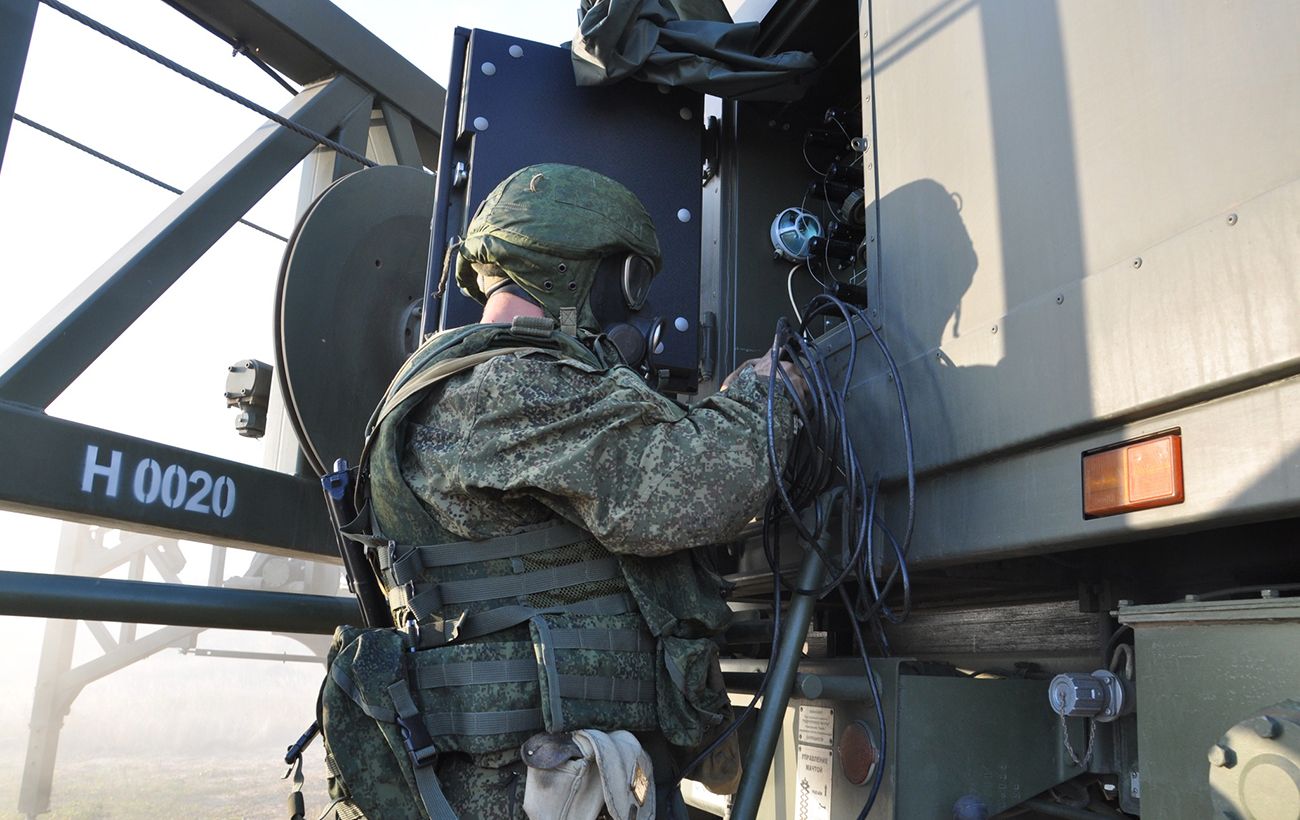
Ammo Depot Detonation in Rylsk: Ukrainian Assault Forces Refute Russian Drone Mining Claims
Ukraine's 8th Air Assault Corps detailed a precision strike on a Russian UAV unit base in the Kursk region, denying Moscow's claims of remote city mining via drones.
 🎓Education
The Quality of EU-Integration Reforms: Why Formal Compliance Slows Down Ukraine’s Progress
The European Commission's report highlights systemic issues in implementing reforms in Ukraine, pointing out that weak practical mechanisms hinder successful transformati…
 🎓Education
Current Exchange Rates: Situation in Banks and Exchange Offices as of November 23
As of November 23, Ukrainian financial institutions recorded a decline in average foreign currency rates, while currency exchange offices showed mixed trends.
 🩺Health
Winter weather in Ukraine: what to expect from temperature fluctuations this week
The Ukrainian Hydrometeorological Center forecasts unstable weather with snow, southern rains, and daytime frosts down to -6 degrees.
 🩺Health
New-type jet drones: Experts assess the threat of modernized «Geran-5» and «Geran-6» modifications
Russian forces have started employing new jet-powered drone modifications, including «Geran-5» and «Geran-6», which significantly outperform standard models in speed and …
 🏙️City
Weather for Early Winter 2026: What Boryslav Residents Can Expect in December
Climatologists forecast a warmer-than-average December 2026 in Ukraine, though locals are warned about potential temperature swings and occasional frosts.